

Diptera.info :: Identification queries :: Diptera (adults)
 Hercostomus germanus female ?
|
|
| DedeLab |
Posted on 09-08-2026 21:48
|
|
Member Location: Canohès (France, Occitanie) Posts: 269 Joined: 16.11.24 |
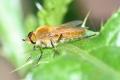
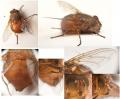
Hi, this Dolicho was found in Pyrénées at the altitude of 1680 m. I measured it 4 mm. I think it could be Hercostomus germanus because : - no bristles on the hind basitarsus - clypeus united with eye-margins at sides, apicai margin straight - yellow femora - dark proboscis - white lower postocular setae - 3rd antennal segment entirely black - fore tibia with at least 1 posteroventral bristle - black squamal fringe DedeLab attached the following image: 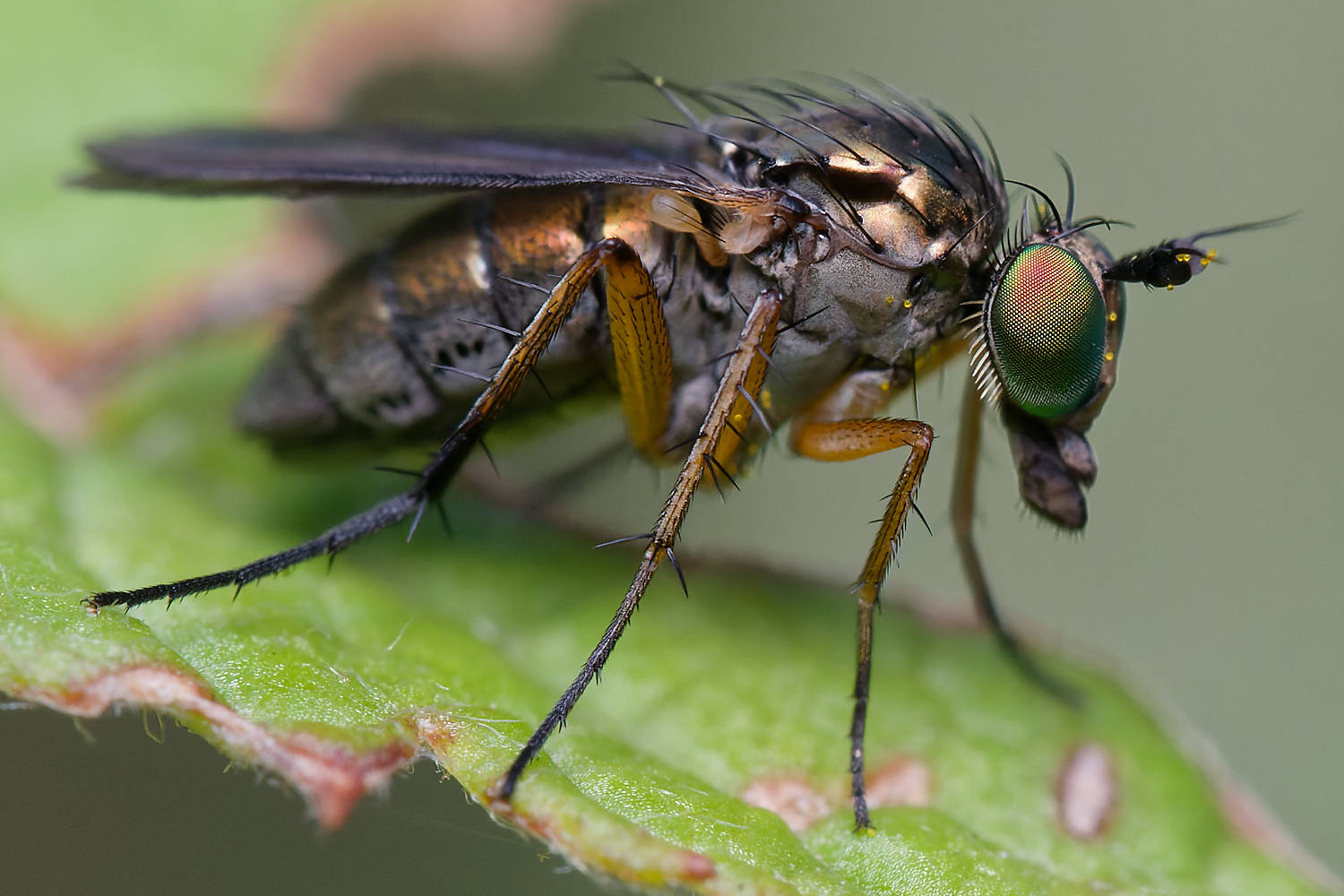 [159.13Kb] Edited by DedeLab on 12-08-2026 14:43 André LABETAA |
 |
|
| DedeLab |
Posted on 09-08-2026 21:49
|
|
Member Location: Canohès (France, Occitanie) Posts: 269 Joined: 16.11.24 |
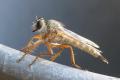
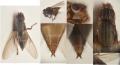
2nd picture :
DedeLab attached the following image: 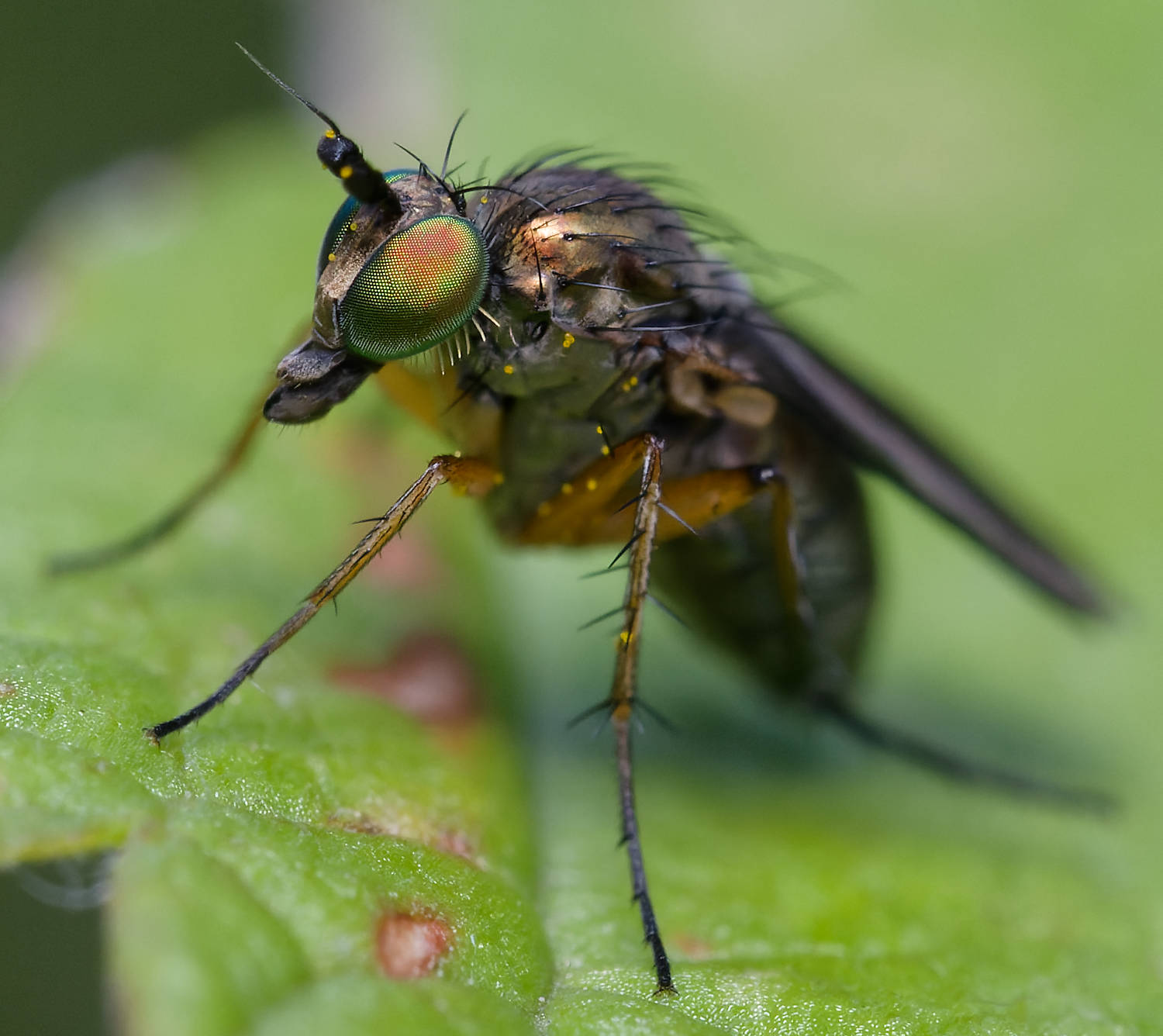 [160.16Kb] André LABETAA |
|
|
|
| Igor Grichanov |
Posted on 10-08-2026 10:59
|
 Member Location: St.Petersburg, Russia Posts: 1835 Joined: 17.08.06 |
Hercostomus germanus has short proboscis. Consider Ortochile barbicoxa. Igor Grichanov |
|
|
|
| DedeLab |
Posted on 10-08-2026 16:40
|
|
Member Location: Canohès (France, Occitanie) Posts: 269 Joined: 16.11.24 |
Many thanks Igor, ! Would it be possible to get a description of this species, please? I can't find anything online. Thanks in advance. Edited by DedeLab on 12-08-2026 14:04 André LABETAA |
|
|
|
| DedeLab |
Posted on 12-08-2026 14:01
|
|
Member Location: Canohès (France, Occitanie) Posts: 269 Joined: 16.11.24 |
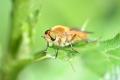
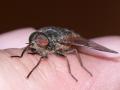
Igor, I have looked further into the identification of this female. I found confirmed females of Hercostomus germanus, including one photographed in copula, and they seem very similar to my specimen. In particular, the proboscis is distinctly longer in the female than in the male of H. germanus. In my specimen, proboscis/head length = 0.47 and proboscis/head height = 0.73. A photographed female of H. germanus gives approximately 0.40 and 0.60 respectively. My specimen also has fore femur entirely yellow, apparently yellow fore coxa, and uniserial lower postocular setae. These characters seem difficult to reconcile with the male description of Ortochile barbicoxa. Could this actually be a female of Hercostomus germanus? Photo Diptera info : DedeLab attached the following image: 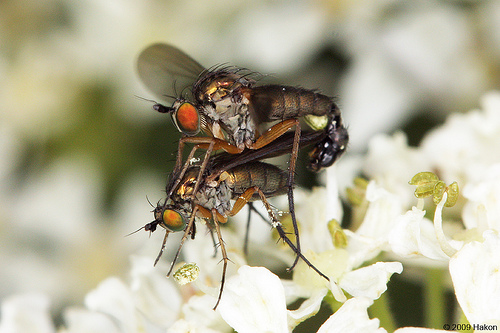 [122.53Kb] Edited by DedeLab on 12-08-2026 14:04 André LABETAA |
|
|
|
| DedeLab |
Posted on 12-08-2026 14:05
|
|
Member Location: Canohès (France, Occitanie) Posts: 269 Joined: 16.11.24 |
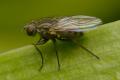
Photo GBIF :
DedeLab attached the following image: 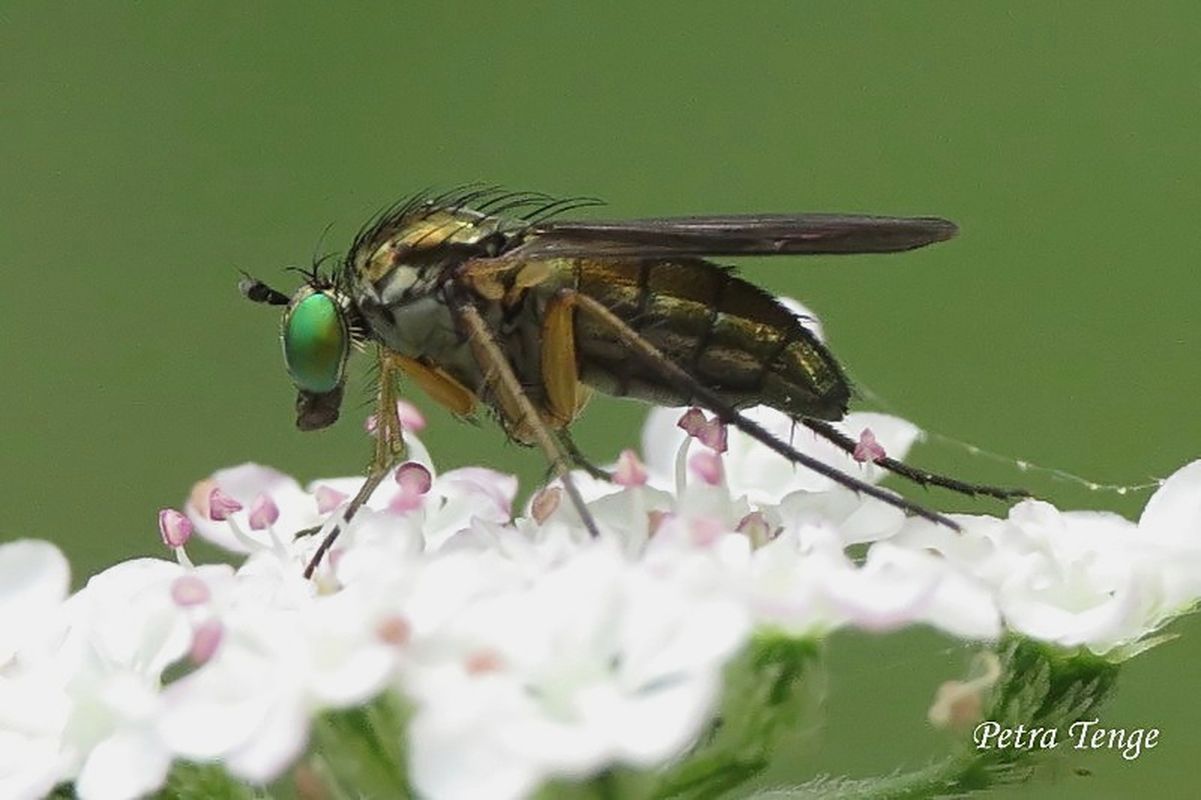 [81.72Kb] Edited by DedeLab on 12-08-2026 14:09 André LABETAA |
|
|
|
| Igor Grichanov |
Posted on 14-08-2026 09:26
|
|
Member Location: St.Petersburg, Russia Posts: 1835 Joined: 17.08.06 |
André, I've checked my pinned females caught together with males of germanus last month, and they have small palpi and proboscis. Other visible characters are the same.
Igor Grichanov |
|
|
|
| DedeLab |
Posted on 14-08-2026 19:21
|
|
Member Location: Canohès (France, Occitanie) Posts: 269 Joined: 16.11.24 |
Thank you very much, Igor, for this reply. I am currently away and will respond in a few days. Best regards, André.
André LABETAA |
|
|
|
| DedeLab |
Posted on 18-08-2026 20:06
|
|
Member Location: Canohès (France, Occitanie) Posts: 269 Joined: 16.11.24 |
Thanks Igor. So, apart from the size of the palpi and proboscis, do you think all the other visible characters of my female are consistent with Hercostomus germanus? And do you still consider Ortochile barbicoxa more likely?
André LABETAA |
|
|
|
| Jump to Forum: |