

Diptera.info :: Identification queries :: Diptera (adults)
 villa species
|
|
| treebeard |
Posted on 03-07-2017 18:14
|
|
Member Location: Slovakia Posts: 614 Joined: 13.08.13 |
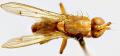
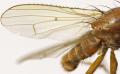
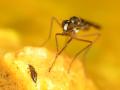
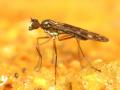
Hi everybody, maybe now it the right time to ask for an advice  . I usually fotograph one Villa species - Villa fasciata . I usually fotograph one Villa species - Villa fasciata (at least I hope so: https://diptera.info/forum/viewthread.php?thread_id=62099 ) Recently I took a pictures of the specimen with the shining patagium. Can Villa facsiata have this? Maybe it is the difference between male and female (I am not able to distinguish sexes in this genus). Than you in advance Matej Slovakia, Banska Bystrica, 18.06.2017, 400 m.a.s.l., Tertiary sediments in contact with limestones, pastures, forests treebeard attached the following image: 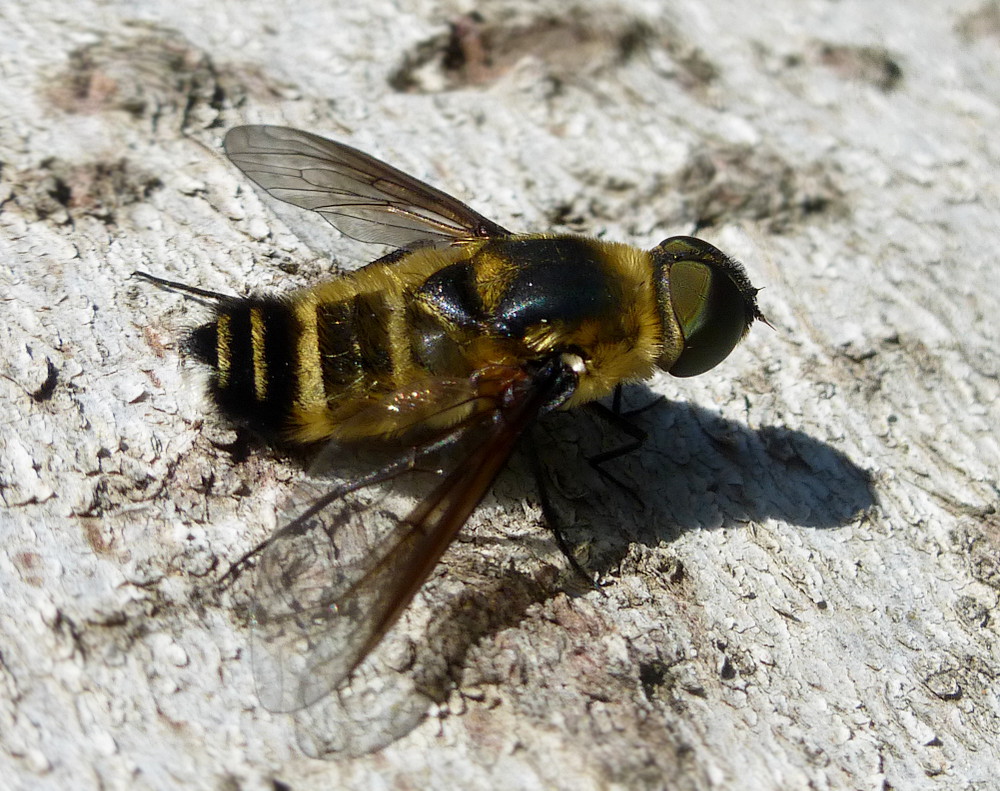 [263.25Kb] Edited by treebeard on 04-07-2017 04:39 |
|
|
|
| treebeard |
Posted on 03-07-2017 18:18
|
|
Member Location: Slovakia Posts: 614 Joined: 13.08.13 |
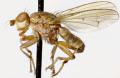
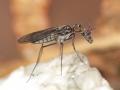
and one more picture
treebeard attached the following image: 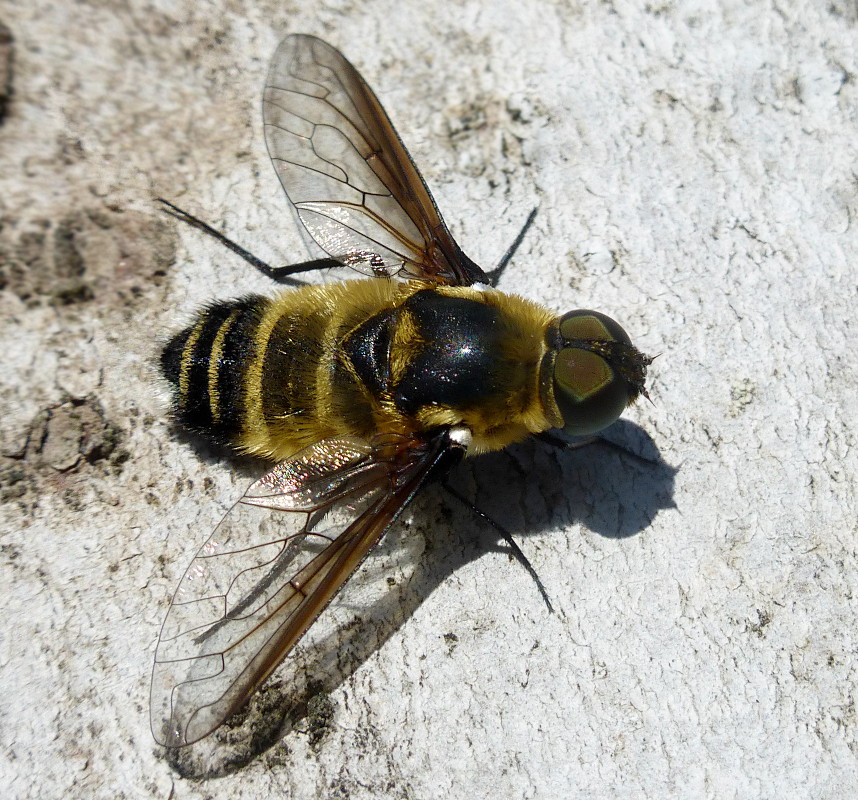 [266.31Kb] |
|
|
|
| johnes81 |
Posted on 04-07-2017 10:10
|
 Member Location: Berlin, Germany Posts: 1980 Joined: 15.10.16 |
Slovakia has more than one species of Villa, so you must see more than one. I am not going to purposely contradict someones opinion. If someone has told that you have Villa fasciata, then you should call it Villa fasciata. I have learned that this genus is in need of a taxonomic revision. I am not a taxonomist. I do not know of any work being done on this genus. I am aware of many attempts to make keys for Villa but I do not think that the keys are valid. I have found errors with hottentotta and modesta. I think that many years of study are necessary for keys. Overlap and variability needs to be considered. Genitalia is not even mentioned in keys, much less dna study. I like Bombyliidae, so I am trying to collect them for study. I live in Germany, so I have no experience with Villa outside of Germany. The patagium is not a difference between male and female, so you have a different species of Villa. Perhaps Villa modesta. |
|
|
|
| treebeard |
Posted on 04-07-2017 12:17
|
|
Member Location: Slovakia Posts: 614 Joined: 13.08.13 |
Thank you for your ideas. Yes, I have considered Villa modesta as well. I think, it looks just like the specimen on my pictures. But it should be a species of sand dunes that is not the case of my locality. There are some small outcrops of sand present, but it is definitely not a sandy area. What do think about the preferred habitat of Villa modesta? |
|
|
|
| johnes81 |
Posted on 04-07-2017 13:55
|
|
Member Location: Berlin, Germany Posts: 1980 Joined: 15.10.16 |
The term "sand" is much too vague. I never support someone calling themselves an expert when they use general terms like sand. Sand implies a beach or desert-like sand dune. Sand is also a general term for a type/texture of soil. Sandy soil is also a suitable habitat. Too many people cling to the verbatim of useless books meant to earn a profit. Most "field guides" are a waste of time and money. As you should know, one cannot identify many speies by photo. Thus, these so-called field guides are useless. I know where I find modesta and hottentotta. I always find modesta in dry grassland with sandy soil. I could care less what useless books will say. You are free to believe what you want to believe. I am not a professor or an expert. I cannot debate issues that I do not find to be an issue. I even find modesta at sandy soil locations with gravel. I have been down this road with spiders too. A book says this, so it must be true. Well, outdated material will tell you that Ebrechtella tricuspidata likes water but I find it in dry grassland. I prefer to discover life instead of read about it, so I learn alot more. Villa are more versatile than the pictures that are painted. Best solution for you: collect the specimen and make photos of genitalia. |
|
|
|
| treebeard |
Posted on 04-07-2017 20:15
|
|
Member Location: Slovakia Posts: 614 Joined: 13.08.13 |
Thank you. By the way, I fotographed Ebrechtella tricuspidata two hours ago. Not far from water (small stream), but not too close. On the transtion between dry and wet grassland. |
|
|
|
| johnes81 |
Posted on 04-07-2017 21:16
|
|
Member Location: Berlin, Germany Posts: 1980 Joined: 15.10.16 |
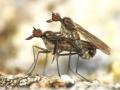
you should trust your instincts more often. You seem to be very knowledgeable with nature. I've never been to Slovakia or Czech Republic but I've seen many photos of the land. Slovakia looks beautiful to me. Someday I'd like to visit Slovakia. I've attached some photos of a dry grassland where I find Villa hottentotta, Villa modesta and Ebrechtella tricuspidata (female in photo). No water is to be found in the immediate area. Excluding groundwater, of course. edit: I think that the main area is to be called chalk grassland. I say dry because opposite of wet (water) is dry. johnes81 attached the following image: 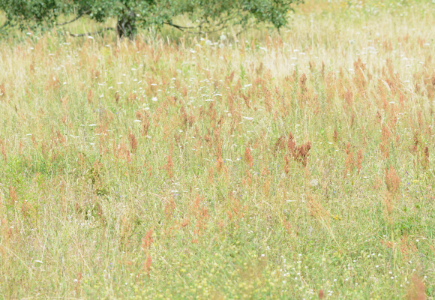 [227.36Kb] Edited by johnes81 on 04-07-2017 21:57 |
|
|
|
| johnes81 |
Posted on 04-07-2017 21:18
|
|
Member Location: Berlin, Germany Posts: 1980 Joined: 15.10.16 |
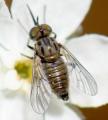
female Ebrechtella tricuspidata
johnes81 attached the following image: 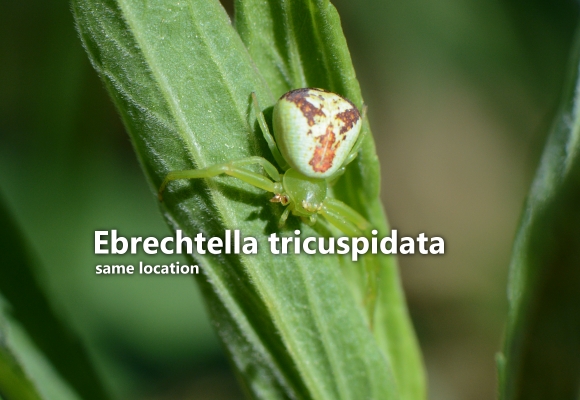 [145.03Kb] |
|
|
|
| Jump to Forum: |