

Diptera.info :: Identification queries :: Diptera (adults)
Who is here? 1 guest(s)
Page 1 of 2: 12
|
 Borborillus uncinatus - confirmed
|
|
| Martin Cooper |
Posted on 06-11-2014 09:09
|
|
Member Location: Ipswich, Suffolk Posts: 628 Joined: 01.05.12 |
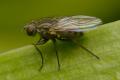
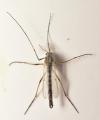
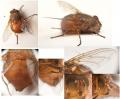
Found on Iris leaf in garden pond on 26-Oct-2014, in Ipswich (TM166450), Suffolk. I think this is a female Crumomyia notabilis. Is that correct? Best wishes, Martin PS I have been convinced that a more probable ID is Borborillus uncinatus, but would appreciate any comments. Martin Cooper attached the following image: 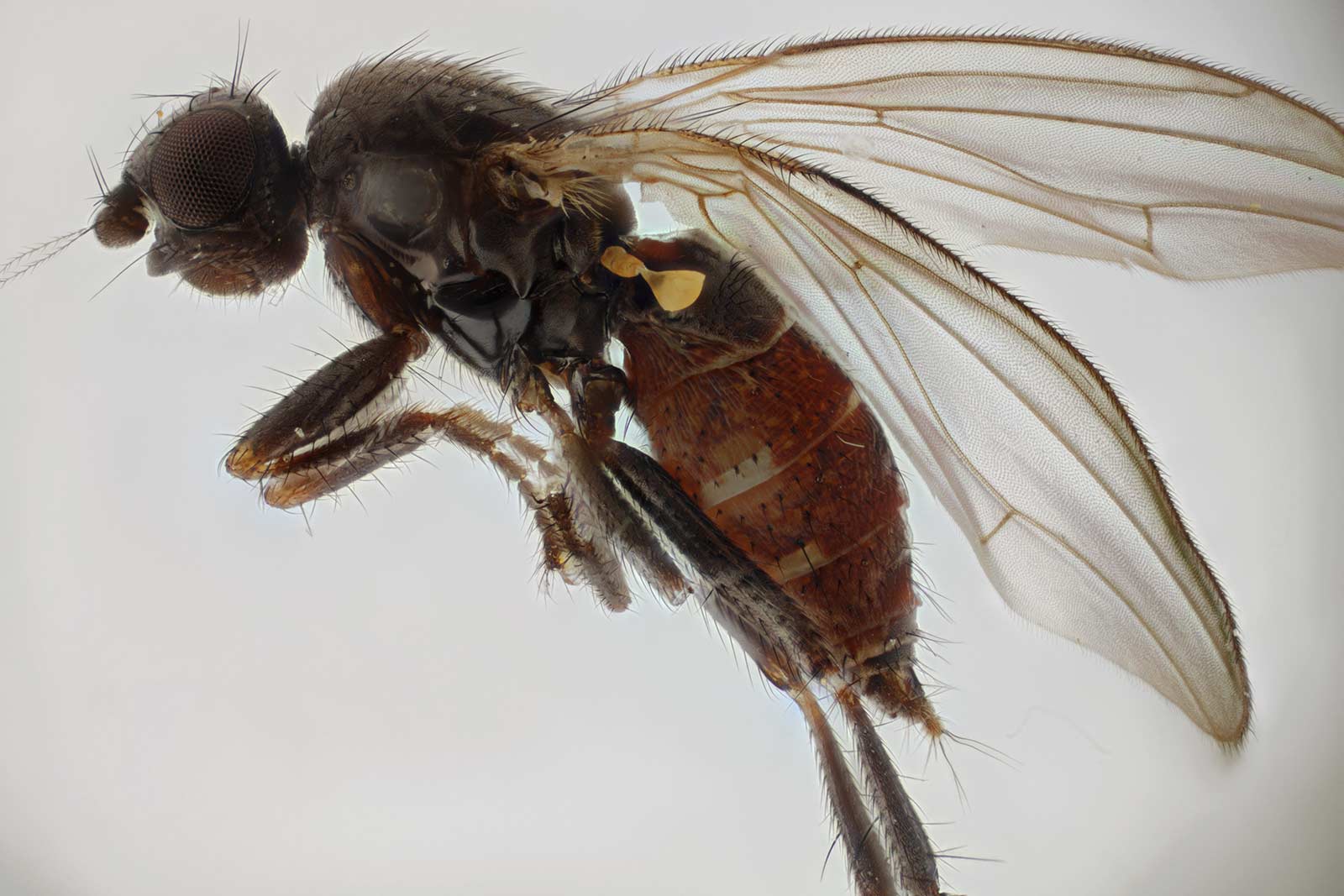 [143.85Kb] Edited by Martin Cooper on 27-11-2014 17:41 |
|
|
|
| Martin Cooper |
Posted on 06-11-2014 09:10
|
|
Member Location: Ipswich, Suffolk Posts: 628 Joined: 01.05.12 |
dorsal view
Martin Cooper attached the following image:  [144.55Kb] |
|
|
|
| Martin Cooper |
Posted on 06-11-2014 09:10
|
|
Member Location: Ipswich, Suffolk Posts: 628 Joined: 01.05.12 |
dorsal close-up
Martin Cooper attached the following image:  [145.17Kb] |
|
|
|
| Martin Cooper |
Posted on 06-11-2014 09:11
|
|
Member Location: Ipswich, Suffolk Posts: 628 Joined: 01.05.12 |
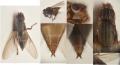
dorsal abdomen
Martin Cooper attached the following image:  [146.01Kb] |
|
|
|
| Martin Cooper |
Posted on 06-11-2014 09:13
|
|
Member Location: Ipswich, Suffolk Posts: 628 Joined: 01.05.12 |
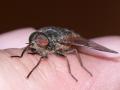
lateral head
Martin Cooper attached the following image:  [143.88Kb] |
|
|
|
| Martin Cooper |
Posted on 06-11-2014 09:13
|
|
Member Location: Ipswich, Suffolk Posts: 628 Joined: 01.05.12 |
thorax
Martin Cooper attached the following image:  [142.54Kb] |
|
|
|
| Martin Cooper |
Posted on 06-11-2014 09:14
|
|
Member Location: Ipswich, Suffolk Posts: 628 Joined: 01.05.12 |
hind legs
Martin Cooper attached the following image: 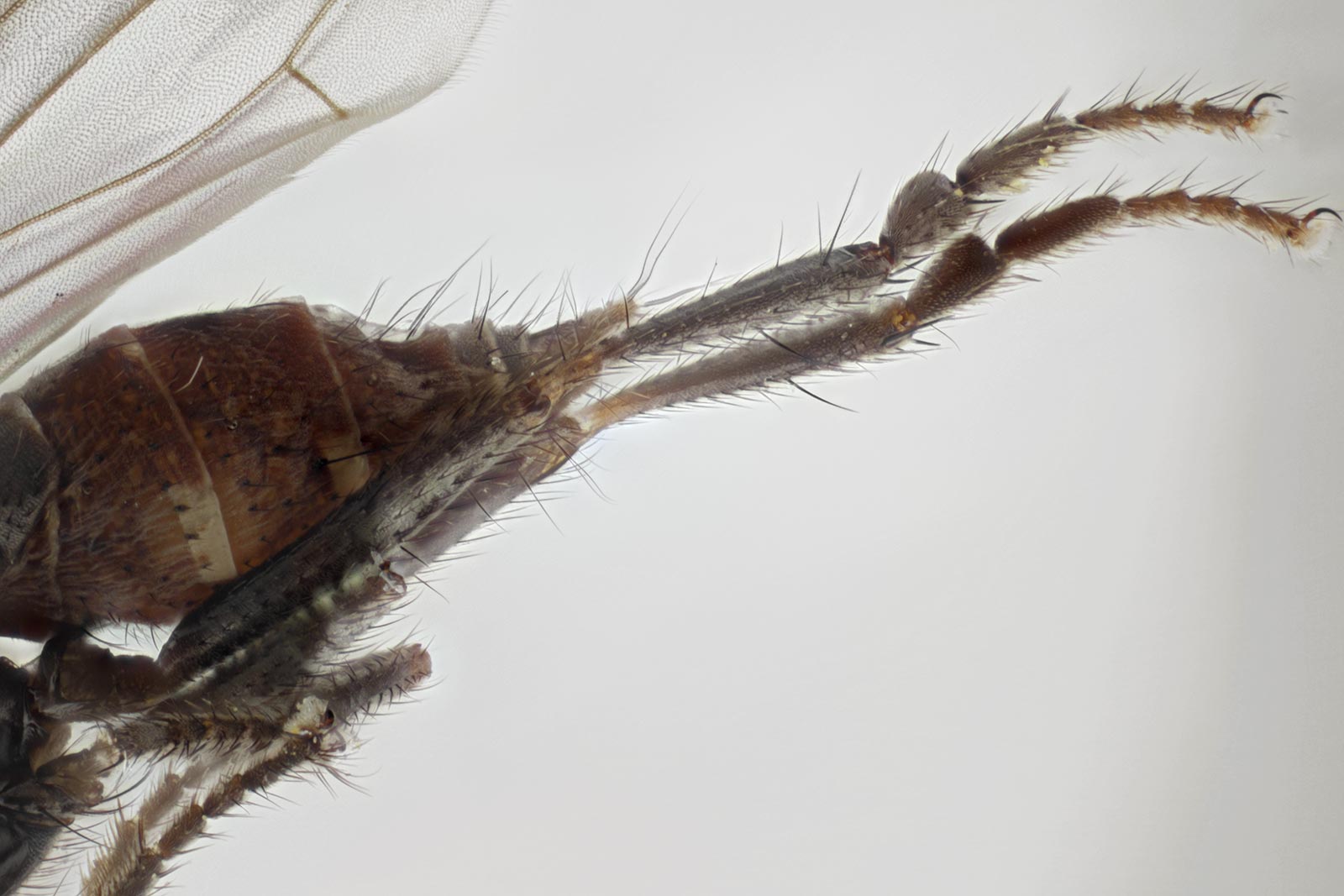 [138.76Kb] |
|
|
|
| Martin Cooper |
Posted on 06-11-2014 09:15
|
|
Member Location: Ipswich, Suffolk Posts: 628 Joined: 01.05.12 |
ventral view
Martin Cooper attached the following image: 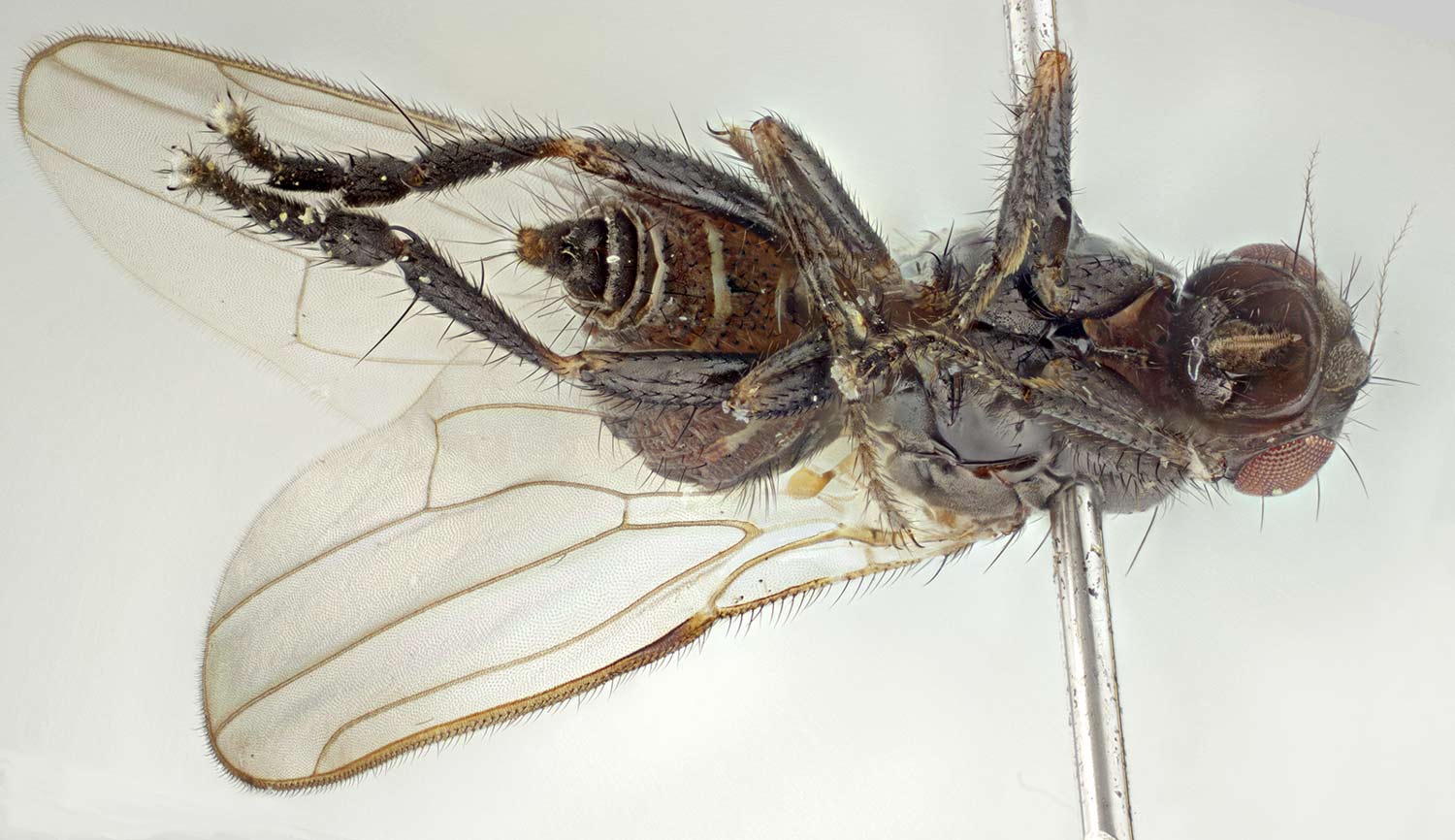 [141.56Kb] |
|
|
|
| Martin Cooper |
Posted on 07-11-2014 16:48
|
|
Member Location: Ipswich, Suffolk Posts: 628 Joined: 01.05.12 |
I am using the key published by Brian R Pitkin in 1988, Lesser Dung Flies DIPTERA: SPHAEROCERIDAE, Handbooks for the Identification of British Insects Vol 10, Part 5e, RES of London. First, the key to subfamilies. I think the appended photo covers the characters needed to say this is in the Copromyzinae subfamily. The long scutellar marginal setae are gone, but I think we can see one resting on the abdomen, and the bases of 4 of them are visible. Martin Cooper attached the following image:  [142.12Kb] |
|
|
|
| John Carr |
Posted on 07-11-2014 17:22
|
 Super Administrator Location: Colorado, USA Posts: 10729 Joined: 22.10.10 |
The wing is typical Copromyzinae. In the north temperate region, but not the tropics, each of the three subfamilies is easily identified by wing venation. After that the family can be difficult. I don't think this is a Crumomyia. In the Nearctic key it could be Borborillus. See http://www.dipter...d_id=15091 |
 |
|
| Martin Cooper |
Posted on 07-11-2014 18:18
|
|
Member Location: Ipswich, Suffolk Posts: 628 Joined: 01.05.12 |
Thanks John. In the Copromyzinae key in Pitkin 1988, the next question is about the postocular setae. A single row leads to Copromyza, Borborillus, whereas setae in at least two, usually irregular rows leads to Alloborborillus pallifrons and Crumomyia. I've appended a photo showing what I think are two rows of postoculars. Have I got that right?
Martin Cooper attached the following image:  [144.03Kb] Edited by Martin Cooper on 07-11-2014 18:44 |
|
|
|
| Martin Cooper |
Posted on 07-11-2014 19:13
|
|
Member Location: Ipswich, Suffolk Posts: 628 Joined: 01.05.12 |
The next question is the number of well-developed setae on the postpronotal lobes (aka the humeral callus). Two leads to Alloborborus palliifrons and one to Crumomyia. I think there is just one well-developed seta among the several smaller ones.
Martin Cooper attached the following image:  [124.11Kb] Edited by Martin Cooper on 07-11-2014 19:18 |
|
|
|
| John Carr |
Posted on 08-11-2014 04:05
|
|
Super Administrator Location: Colorado, USA Posts: 10729 Joined: 22.10.10 |
I think only one row is postocular, with the rest being occipital or something like that. The name pallifrons suggests a pale frons. Here is the Nearctic key (from the mid-1980s): 39. Genal bristle about one-half to three-fifths length of vibrissa. Head densely setose behind eyes, with postocular setae in numerous irregular rows. Mid tibia with four to five anterodorsal bristles. Wing crossveins often banded ... Crumomyia Macquart (including Fungobia Lioy) ... Genal bristle less than one-half length of vibrissa. Head with a single row of postocular bristles. Mid tibia with zero to two anterior and zero to two dorsal bristles. Crossveins not banded unless longitudinal veins also darkened ... 40 40. Scutellum with four long marginal bristles only. Hind tibia with an anteroventral bristle below middle. Frons entirely reddish brown to blackish ... Borborillus Duda ... Scutellum with at least six marginal setae, although some may be minute. Hind tibia with only weak anteroventral setae. Frons yellow or orange anteriorly ... 41 41. Hind tibia with a strong apicoventral bristle. Scutellum with four long and two to many tiny marginal setae. Frons completely pruinose ... Copromyza Fallén ... Hind tibia without a strong apicoventral bristle. Scutellum with 8-10 short stout marginal setae. Frons with ocellar triangle mostly bare ... Lotophila Lioy |
|
|
|
| Tony Irwin |
Posted on 08-11-2014 16:04
|
 Member Location: Norwich, England Posts: 7363 Joined: 19.11.04 |
I'd disagree with John on the interpretation of "post-ocular" - Pitkin's figures indicate that his interpretation of the bristles is that any row behind the eyes is post-ocular, not just the ones immediately next to the eye margin.
Tony ---------- Tony Irwin |
|
|
|
| Martin Cooper |
Posted on 08-11-2014 23:20
|
|
Member Location: Ipswich, Suffolk Posts: 628 Joined: 01.05.12 |
That is what confused me. I've attached a photo of Brian Pitkin's illustration.
Martin Cooper attached the following image:  [110.99Kb] |
|
|
|
| Martin Cooper |
Posted on 09-11-2014 01:22
|
|
Member Location: Ipswich, Suffolk Posts: 628 Joined: 01.05.12 |
So, if there are indeed 2 rows of postoculars and just 1 well-developed postpronotal bristle, then the next question with a winged fly like this one is whether or not there are av setae about the middle of the hind tibiae. I think there are... see this photo:
Martin Cooper attached the following image:  [119.52Kb] |
|
|
|
| Martin Cooper |
Posted on 09-11-2014 01:32
|
|
Member Location: Ipswich, Suffolk Posts: 628 Joined: 01.05.12 |
... that leads to a question about acrostichals and dorso-centrals and about the dusting and setae on some of the pleurites. The photo here shows the dorsal thorax. The choice is between 6 or more rows of acrostichals and 1 pair of dorsocentrals versus 4 or less rows of acrostichals and 3 pairs of dorsocentrals. It is quite hard to see the setae against the fine setulae, but I think the latter is the better fit, ie 4 rows of acros and 3 pairs of dcs.
Martin Cooper attached the following image:  [144.11Kb] |
|
|
|
| Martin Cooper |
Posted on 09-11-2014 01:39
|
|
Member Location: Ipswich, Suffolk Posts: 628 Joined: 01.05.12 |
Associated with the 4 rows of acros and 3 pairs of DCs is the following: "anepisternum part shining, katerpisternum with few fine setae". The attached photo look consistent with that. The alternative would be "anepisternum dusted, katerpisternum with numerous fine setae".
Martin Cooper attached the following image: 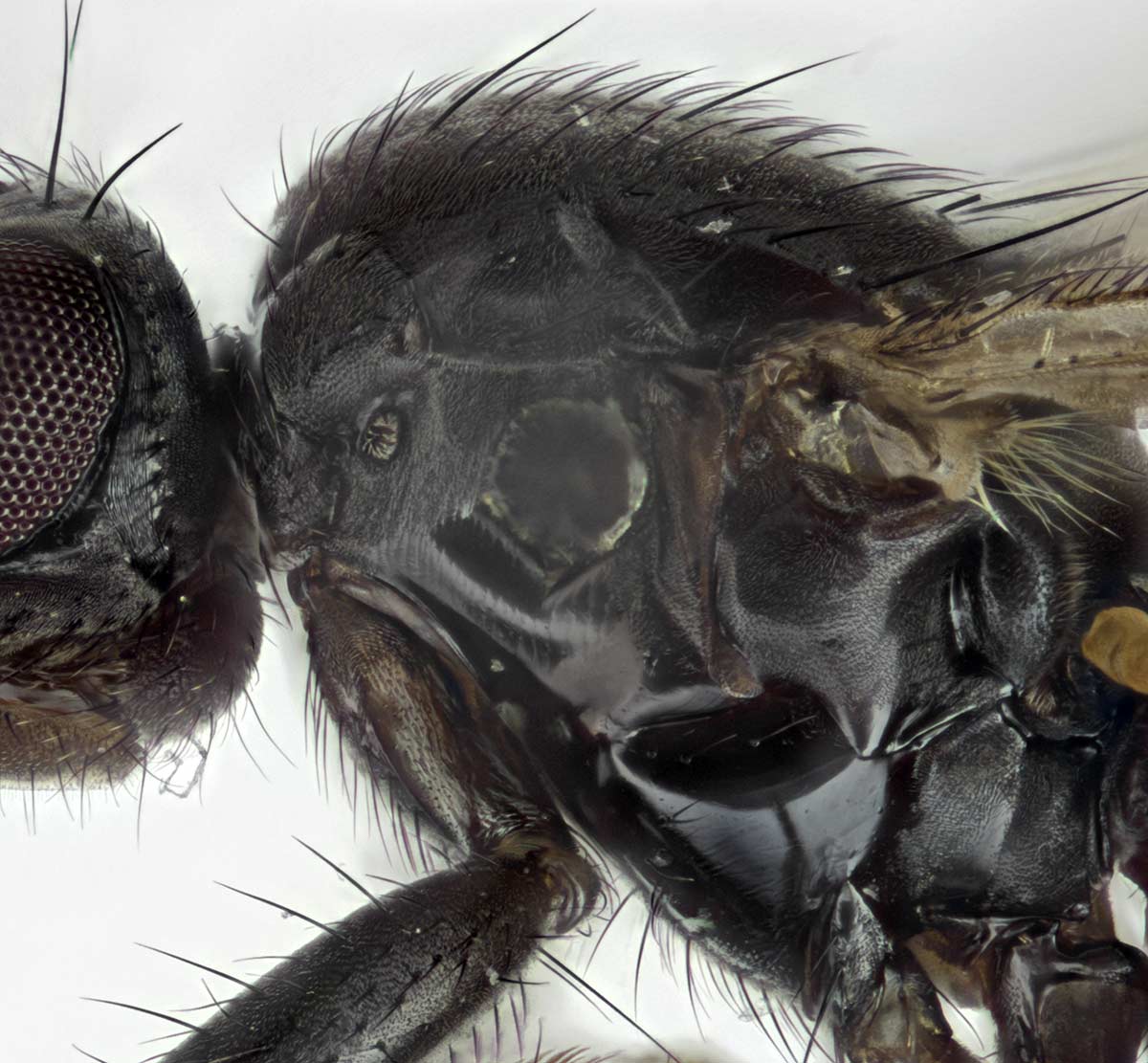 [142.54Kb] |
|
|
|
| Martin Cooper |
Posted on 09-11-2014 01:46
|
|
Member Location: Ipswich, Suffolk Posts: 628 Joined: 01.05.12 |
... and if all the above is right, the final decision is about the colour of the tibiae: dark brown to black, only slightly paler than the femora leads to Crumomyia notabilis, whereas yellow/brown, distinctly paler than femora to C pruinosa. The attached photo looks closer to the former to me, and hence to an ID of Crumomyia notabilis. But is this right? Please help! Martin Cooper attached the following image:  [141.56Kb] |
|
|
|
| empeejay |
Posted on 09-11-2014 14:34
|
|
Member Location: Posts: 234 Joined: 15.05.06 |
I would say this is Borborillus uncinatus from what I can see here. |
|
|
|
Page 1 of 2: 12
| Jump to Forum: |