

Diptera.info :: Family forums :: Syrphidae
 Syrphus come Leucozona
|
|
| blowave |
Posted on 20-09-2010 21:06
|
 Member Location: LINCOLN, UK Posts: 3151 Joined: 27.06.07 |
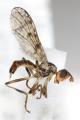
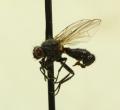
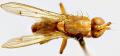
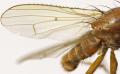
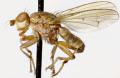
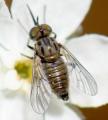
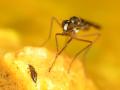
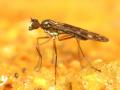
Hi  One word - Help! I have searched everywhere, well almost. Taken today, 20th September. My garden a few miles south of Lincoln UK, yes that garden again.  Feeding on Agastache. Feeding on Agastache.3 pics Janet 
blowave attached the following image: 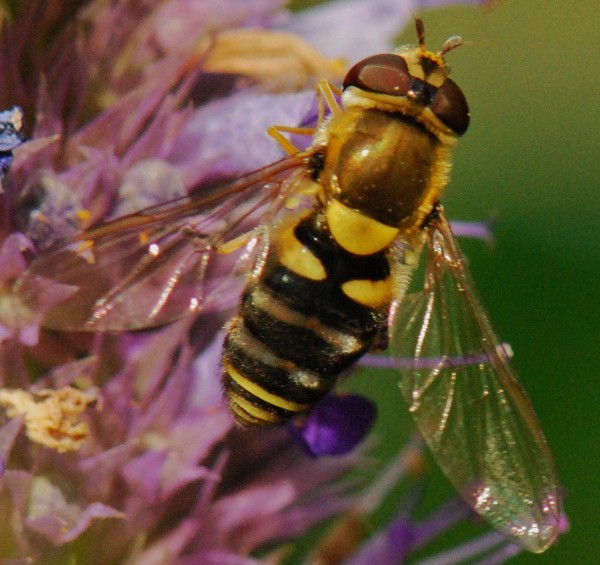 [120.2Kb] http://cubits.org... |
 |
|
| blowave |
Posted on 20-09-2010 21:07
|
|
Member Location: LINCOLN, UK Posts: 3151 Joined: 27.06.07 |
#2
blowave attached the following image: 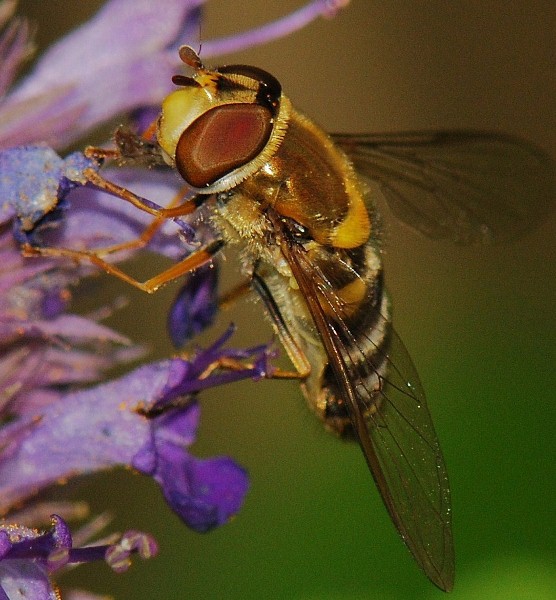 [131.93Kb] http://cubits.org... |
|
|
|
| blowave |
Posted on 20-09-2010 21:08
|
|
Member Location: LINCOLN, UK Posts: 3151 Joined: 27.06.07 |
#3
blowave attached the following image: 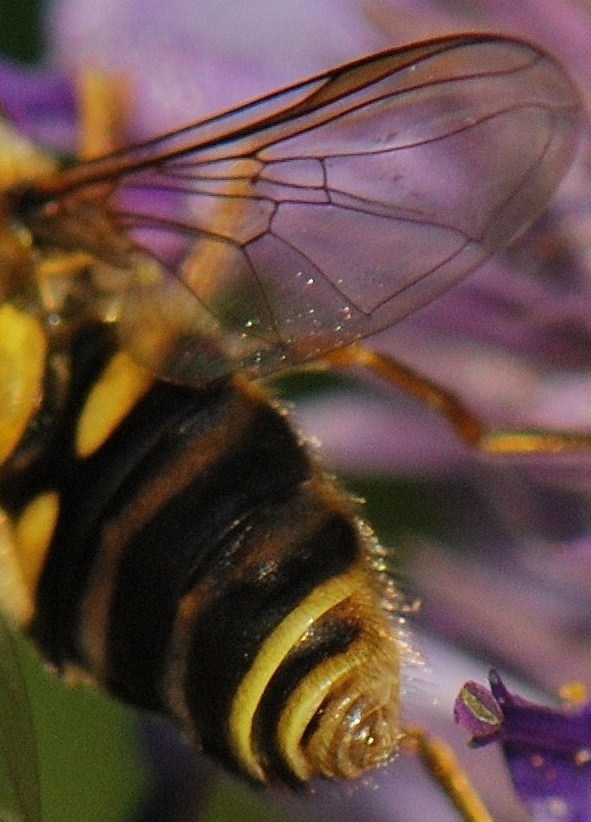 [145.44Kb] http://cubits.org... |
|
|
|
| Stephen R |
Posted on 20-09-2010 21:46
|
 Member Location: Clitheroe Lancashire UK Posts: 2396 Joined: 12.06.09 |
Syrphus (cf vitripennis) with a developmental deformity? |
|
|
|
| blowave |
Posted on 20-09-2010 21:48
|
|
Member Location: LINCOLN, UK Posts: 3151 Joined: 27.06.07 |
I have found a female which is just like mine on xespok's site, name simply Syrphus sp. and that was in 2006! http://xespok.net...75739d8acf We only have S. ribesii, vitripennis and torvus although S. rectus is listed there are no records. As mine matches the one on xespok's site it is unlikely to be some sort of misfit. Interesting! I hope someone can shed some light on this. 
http://cubits.org... |
|
|
|
| blowave |
Posted on 20-09-2010 23:29
|
|
Member Location: LINCOLN, UK Posts: 3151 Joined: 27.06.07 |
Sorry Stephen, I hadn't seen your post when I posted. As you might now see the fly which looks the same as mine on xespok's site I think there has to be more to it. http://cubits.org... |
|
|
|
| Andre |
Posted on 21-09-2010 22:13
|
 Member Location: Tilburg, the Netherlands Posts: 2111 Joined: 18.07.04 |
This is a rather common feature on S. vitripennis, especially females. I haven't seen it as far as I remember, on the other two species. |
|
|
|
| blowave |
Posted on 21-09-2010 23:56
|
|
Member Location: LINCOLN, UK Posts: 3151 Joined: 27.06.07 |
Thanks Andre. It is strange if it's rather common that I haven't seen one like it, but I have only been observing for about 5 years. Stephen, you must have come across this before? I'm interest to know how common it is here. http://cubits.org... |
|
|
|
| Stephen R |
Posted on 24-09-2010 11:26
|
|
Member Location: Clitheroe Lancashire UK Posts: 2396 Joined: 12.06.09 |
Oddly enough I noticed a similar one the day after you posted yours. I have seen it on Syrphus before, but never really thought about it or identified the species. I guess it's not uncommon here. Stephen. |
|
|
|
| blowave |
Posted on 24-09-2010 12:13
|
|
Member Location: LINCOLN, UK Posts: 3151 Joined: 27.06.07 |
Thanks for your reply Stephen. For you to have seen one around the same time does seem strange! Could this be something to do with weather patterns during development I wonder? I wonder who else has seen one like this now, if anyone has please weigh in with your observations. Also it would be interesting to hear from others how often they have seen this variation here, or anywhere for that matter. http://cubits.org... |
|
|
|
| Chris Webster |
Posted on 24-09-2010 20:15
|
 Member Location: Reading UK Posts: 31 Joined: 07.07.07 |
Two old threads refer to this aberration: http://diptera.in...ad_id=9524 http://www.dipter...d_id=18378 The second is my own modest contribution, showing the only two such females I've ever seen, compared with thousands of "normals". They were hard to miss, too, being obviously out of the ordinary. |
|
|
|
| blowave |
Posted on 24-09-2010 21:32
|
|
Member Location: LINCOLN, UK Posts: 3151 Joined: 27.06.07 |
Thanks Chris, those threads were around 2 and 3 years ago. To see two in the same area I assume, and not far apart in time perhaps means a common parent? A bit like humans who have certain abnormalities such as albinos maybe? The trait seems to be much the same in these flies, where in others such as Episyrphus balteatus dark specimens usually vary. I too could not fail to notice this one, it zoomed in while I was taking pics of a male E. balteatus, there were few syrphids left around and a late growing Agastache flower attracted them. The black area on the abdomen was very black and stood out well. Edited by blowave on 24-09-2010 21:33 http://cubits.org... |
|
|
|
| Jump to Forum: |