

Diptera.info :: Identification queries :: Diptera (adults)
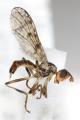
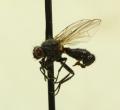
 Another day, another trichocera -> T. saltator
|
|
| pjoris |
Posted on 19-01-2011 21:47
|
|
Member Location: Posts: 98 Joined: 07.04.09 |
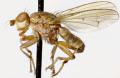
What should I think of something like this ? Keys to japonica in Stubs - but I guess this should then be sparsa / obtusa now ?  (I hope your still enjoying this ...) Edited by pjoris on 24-01-2011 16:36 |
|
|
|
| Jason G |
Posted on 19-01-2011 22:05
|
 Member Location: London UK Posts: 136 Joined: 22.12.08 |
Sure am! To me though, S9 doesn't look too deeply-notched; the seta I think are giving the shallower curve a more pronounced edge in this photo, in my opinion. Can you see any sign of a basal pimple at all with the specimen? Edited by Jason G on 19-01-2011 22:07 London's Insects http://londoninve...hostia.com |
|
|
|
| pjoris |
Posted on 19-01-2011 22:14
|
|
Member Location: Posts: 98 Joined: 07.04.09 |
OK, this is helpful - I wasn't sure how to interpret S9. As far as I see S9 is just these two triangles and so I assumed this was deeply notched, even though the curve is indeed rather shallow. So I should be more looking at rufulenta/saltator group. Re my countries checklist: I think we will be revising that one - only 6 species in the catalogue of Belgium (based on papers from the 30s & 40s; not even major is mentioned). Edited by pjoris on 19-01-2011 22:15 |
|
|
|
| Jason G |
Posted on 19-01-2011 22:32
|
|
Member Location: London UK Posts: 136 Joined: 22.12.08 |
Only 6 recognised?! The update sounds interesting - make sure you keep your records sorted, they'll be very helpful. S9 - I can see the whole perimeter margin I think; it seems to be a steady line, rather than the lateral margins appearing more obvious. As for what it may be from here, the thorax appears more brownish so could be within the rufulenta group. Still, Andrius seems to have a key detailing more species so I'll await his opinion. London's Insects http://londoninve...hostia.com |
|
|
|
| pjoris |
Posted on 19-01-2011 22:56
|
|
Member Location: Posts: 98 Joined: 07.04.09 |
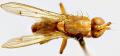
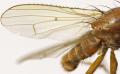
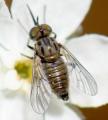
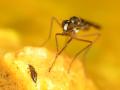
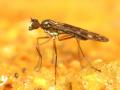
A few more pics (I've been experimenting with stacks), from the slightly dried specimen. Not sure they are helpful ... Few seta on pleuron (on pro-episternum)  Actuall based on this, I'm getting convinced it might be saltator ...  
Edited by pjoris on 19-01-2011 23:40 |
|
|
|
| Andrius |
Posted on 20-01-2011 09:43
|
|
Member Location: Lithuania Posts: 315 Joined: 27.01.05 |
Hi, if there are no setae on epimeron and/or metepisternum, then I would say this is T.saltator. A look at antenae could help a bit too  A. |
|
|
|
| pjoris |
Posted on 20-01-2011 22:03
|
|
Member Location: Posts: 98 Joined: 07.04.09 |
Well, the antennae may be a bit of a problem: verticils too prominent maybe for saltator ? The only hairs I see are on the propleuron or humerus, not on the pleuron. Andrius, thanks for the help - you'll wil receive them after the Trichocera-season, but it would be nice to identify some of them ourselves ... Edited by pjoris on 20-01-2011 22:04 |
|
|
|
| Andrius |
Posted on 23-01-2011 20:33
|
|
Member Location: Lithuania Posts: 315 Joined: 27.01.05 |
Verticils don't seem to be too prominent and the length ratio of the 1st/2nd flagellomeres of antena fit that of T.saltator, so I think this is it  |
|
|
|
| Jump to Forum: |